Roof Replacement Permit Ontario: When Do You Actually Need One?
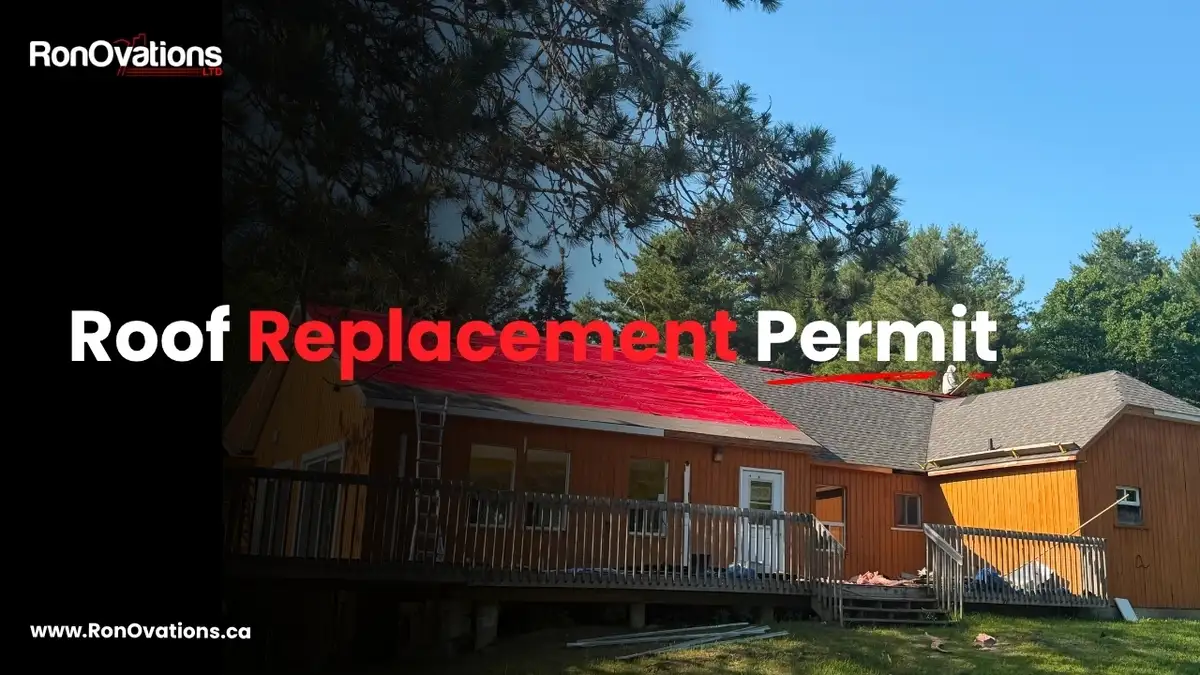
Quick answer: A straightforward like-for-like asphalt re-shingle often does not require a roof replacement permit in Ontario when the existing roof structure remains unchanged. A building permit may be required when the project includes structural alterations, changes to the roofline or slope, added dormers, certain skylights or solar installations, heavier roofing materials, or other work beyond basic re-roofing. The final decision belongs to your local municipal building department, so confirm the scope before tear-off begins.
Important: Ontario municipalities do not all describe roofing work in exactly the same way. A project that is permit-exempt in one city may need additional review in another, especially for heritage properties, commercial buildings, structural repairs, or material changes.
Other municipalities may use different terminology, publish less detail, or assess roof work case by case. When calling the building department, avoid asking only, “Do I need a roof permit?” Give them the actual project scope so the answer applies to your job.
What If Roof Damage Is Found After Tear-Off?
This is one of the most practical roof permit questions. A project may begin as a permit-exempt re-shingle, but hidden damage can change the scope after the old roofing is removed. Widespread rot, sagging decking, damaged rafters, failed trusses, or a need to rebuild part of the roof should not be treated as an automatic extension of the original work.
A responsible process is to:
- Stop work in the affected area and protect the exposed roof from weather.
- Photograph and document the damage before removing additional material.
- Separate minor deck replacement from structural framing repairs.
- Contact the local building department with the revised scope.
- Obtain any required permit, drawings, or inspection instructions before covering the work.
- Update the contract and price in writing before proceeding.
How Do You Confirm Whether a Roof Permit Is Required?
Start with the municipality’s official building-permit page or contact its building department. Provide the property address and a concise scope that includes:
- Existing roofing material and number of roof layers
- Proposed roofing material and approximate installed weight
- Whether all old roofing will be removed
- Whether plywood, OSB, rafters, trusses, or other structural components will be repaired
- Whether the roof slope, height, drainage, or framing will change
- Whether skylights, dormers, solar panels, vents, or rooftop equipment will be added
- Whether the property is designated heritage, commercial, industrial, or multi-unit
How Much Does a Roof Permit Cost in Ontario?
There is no standard Ontario roof permit fee. Many basic re-shingling projects are permit-exempt, so the permit cost is zero. When a permit is required, the municipality may calculate fees using project area, construction value, permit category, minimum charges, or additional review requirements.
For example, Toronto’s current building permit fee schedule separates non-structural re-roofing from re-roofing with structural work and calculates those categories differently. Other municipalities use their own fee schedules. For an accurate roof permit cost, check the current municipal fee page after the building department confirms the permit category.
How Long Does a Roof Permit Take?
Approval time depends on the municipality, building type, project complexity, application completeness, and whether drawings or engineering are required. A straightforward structural repair application may be reviewed differently from a commercial flat-roof alteration or a roofline change.
Do not schedule tear-off based only on an estimated review date. If a permit is required, wait until it is issued and confirm the required inspection stages. Permit inspections occur at stages set by the municipality, and work should not be covered before an inspector has seen anything the permit requires to remain visible.
Should the Homeowner or Roofing Contractor Pull the Permit?
Either the owner or an authorized contractor may be able to submit the application, depending on the municipality and permit type. The contract should clearly state who is responsible for confirming the requirement, preparing documents, paying fees, booking inspections, responding to deficiencies, and closing the permit.
Regardless of who submits the application, the homeowner should receive the permit number, approved documents, inspection results, and final closure record. Do not accept “the permit is included” as the only documentation.
What Happens If You Replace a Roof Without a Required Permit?
The consequences depend on the municipality and the work completed, but starting permit-required construction without approval can create avoidable cost and delay. The City of Toronto warns that working without a required permit can lead to an additional administrative fee, stopped work while an application is processed, removal or exposure of completed work, added corrective work, and future legal or financial complications.
Toronto also notes that the homeowner can remain responsible for these consequences even when a contractor incorrectly said that no permit was needed.